Why Some Properties Sell Fast While Others Stay on the Market for Years
Author: 365 Media Property Desk

If you owned a property valued at KES 100M on paper, would you know how to convert that asset into liquid cash when you need it most?
So that you know, property liquidity determines how rapidly you can sell real estate at fair market value without taking a steep price cut.
Evaluating title integrity, physical access, realistic seller expectations, and buyer pool depth protects your capital and aligns your portfolio directly with genuine market demand.
What Core Factors Explain Why Houses Sell Fast?

Houses sell fast when they combine clean title documentation, realistic market pricing, direct physical access, strategic location, broad buyer financing eligibility, optimal market timing, flexible seller expectations, and strong structural condition.
The 9-Point Property Liquidity Evaluation Framework
Analyzing the following primary property liquidity drivers protects your liquid capital across real estate acquisitions:
Price Alignment: Setting realistic listing prices based on comparative valuation reports rather than emotional estimates.
Location Dynamics: Positioning parcels within high-growth urban expansion nodes guarantees that houses sell fast.
Title Integrity: Maintaining unencumbered titles verified on Ardhisasa speeds up legal conveyancing.
Physical Access: Securing gazetted, all-weather access roads accelerates buyer site visits and purchase decisions.
Structural Condition: Building modern, durable physical structures appeals directly to immediate occupiers.
Buyer Pool Depth: Targeting asset types with broad retail and institutional purchaser demand improves property liquidity.
Financing Eligibility: Structuring property deals that clear bank mortgage underwriting rules ensures houses sell fast.
Documentation Readiness: Assembling search certificates, mutation maps, and rates clearance receipts upfront prevents deal cancellation.
Market Timing: Capitalizing on active economic cycles strengthens key property liquidity drivers.
Asset Liquidity and Structural Value
Modern building standards and certified master planning accelerate asset transaction speed across urban nodes. In parallel, deploying quality structural designs and maintaining robust physical site conditions attracts premium buyers quickly. Modern layout options and quality structural materials also strengthen resale values while protecting overall capital returns.
Thus, holding a KES 100M valuation report on an unserviced parcel without a legal access road leaves you holding an illiquid asset.
How Do Documentation and Access Control Influence Liquidity Drivers in Kenya?
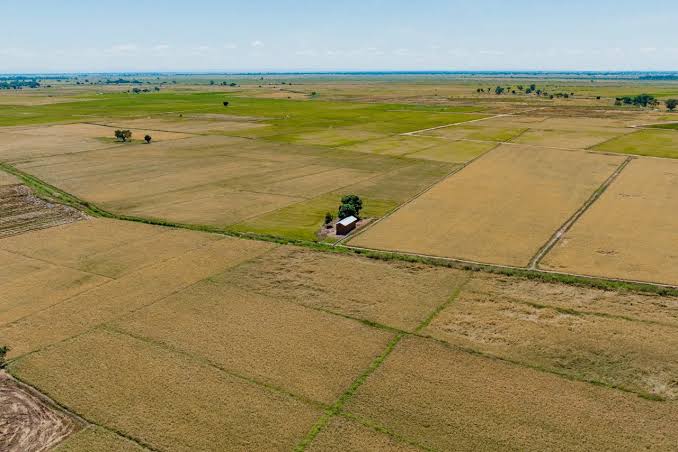
Flawless title documentation and registered access roads eliminate buyer risk, allowing mortgage approvals and cash transfers to be completed without delay.
Verifying Titles and Infrastructure Access
Land transactions with title defects or boundary disputes experience closure delays exceeding 18 months, reducing effective asset liquidity by up to 60%.
Yet, verifying legal access easements, road reserves, and title encumbrances on Ardhisasa eliminates transaction holds.
Also, observing market infrastructure expansions proves that road access directly increases asset resale speed. And positioning parcels near planned utility networks directly shapes real estate liquidity.
Financing Eligibility and Market Timing
Properties pre-approved for bank financing sell 3.5 times faster than non-bankable land holdings.
Thus, aligning listing prices with official bank valuation benchmarks unlocks large, pre-funded buyer pools immediately. Also, overpricing land alienates mortgage buyers, stalling cash flow and stranding assets.
Analyze shifting market trends to ensure your property remains competitive, bankable, and liquid.
What Mistakes Keep Properties Trapped on the Market for Years?
Properties stay trapped on the market when sellers demand speculative prices, attempt sales with encumbered titles, ignore physical site degradation, and refuse to adjust to shifting market demand.
Critical Traps Destroying Property Liquidity
Avoiding the common seller mistakes below helps houses sell fast:
Overpricing Based on Emotion: Setting prices above comparative market reports alienates serious buyers and leaves land idle.
Neglecting Title Pre-Clearing: Listing land with unpaid land rates, uncollected consents, or active cautions halts conveyancing.
Ignoring Access Deficits: Selling landlocked parcels without registering official access roads stops buyers from securing build permits.
Ignoring Industry Trends: Overlooking local demand shifts results in outdated property features that fail to attract buyers, even as houses sell fast elsewhere.
Maximize Property Liquidity and Secure Fast Sales in Kenya
Maximizing property liquidity requires conducting rigorous title due diligence, pricing assets to current market demand, securing legal access roads, and aligning developments with modern quality standards.
Real estate wealth depends on asset liquidity rather than paper valuations. Will your property asset convert into liquid cash when market opportunities arise, or will overpricing and missing documentation keep it trapped on the market for years?
Securing fast property sales requires professional valuation, flawless registry searches, and strategic market positioning.
And Pamoja Greenfield Estates is ready to help you out by conducting comprehensive property liquidity audits, verifying title documentation on Ardhisasa, and positioning your landholdings to attract ready buyers.
Call us today at 0759 461 111 or 0746 936 019, or email us at [email protected] to evaluate your property's liquidity profile and execute your sale with total confidence.
Which property liquidity driver do you consider most critical when evaluating land investments in Kenya? Share your experience in the comments section below!