
Should You Buy Land, a House, an Apartment, or Commercial Property? A Strategic Comparison
Author: 365 Media Investment Desk
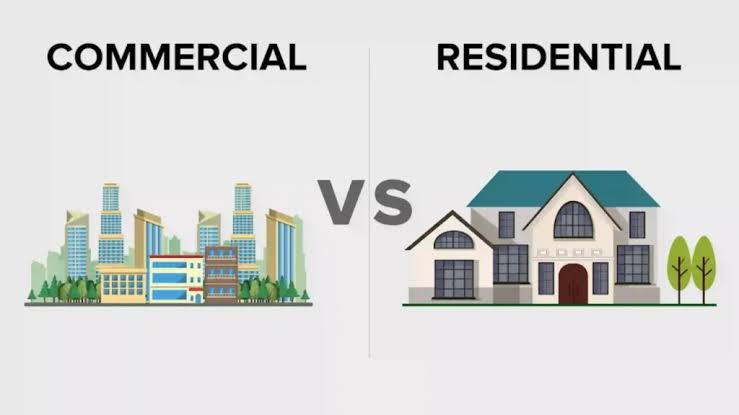
If you have capital ready to deploy in Kenya today, how do you determine whether buying raw land or acquiring a rent-yielding apartment builds wealth faster?
Choosing among raw land, residential homes, apartments, commercial buildings, agricultural plots, or hospitality real estate requires aligning your investment horizon with capital availability and cash-flow targets.
In addition, conducting a rigorous property-type comparison unlocks high-yield real estate investment strategies that protect your capital while positioning your portfolio for maximum asset growth.
What Are the Core Asset Types and Real Estate Investment Strategies in Kenya?
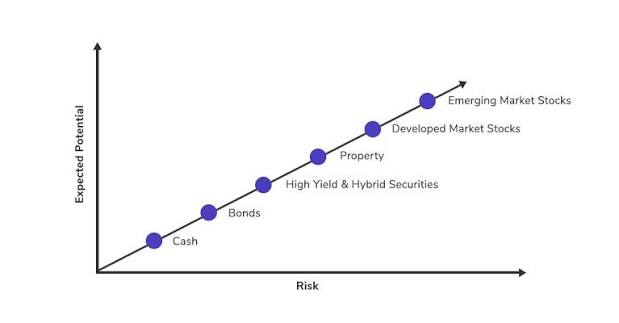
The principal property asset classes in Kenya, including raw land, residential houses, apartments, commercial spaces, agricultural plots, and hospitality setups, deliver distinct combinations of cash flow, capital appreciation, and management overhead.
Raw Land vs. Residential Houses: Appreciation vs. Asset Security
Raw land focuses strictly on long-term capital appreciation and minimal holding costs, whereas residential houses prioritize family security and steady asset growth. Thus, unbuilt land requires zero maintenance expenditure, while built homes demand ongoing upkeep and municipal rate compliance.
Comparing these options provides a clear property type comparison for your portfolio.
Apartments vs. Commercial Property: High-Density Rental Yields
Apartments generate recurring, short-term rental yields, while commercial properties secure longer lease terms from corporate tenants. Also, shift-level demand in urban hubs affects void periods and tenant turnover across both sectors.
Thus, you should align your asset selection with real estate investment strategies to ensure consistent cash flow despite market shifts.
For your information, residential rental properties maintain strong demand across major urban hubs, with flats and apartments comprising 77.1% of all urban rental units and posting an active lease-out rate of 88.8%.
Agricultural Land vs. Hospitality Property: Production vs. Tourism Revenue
Agricultural productivity provides steady commodity income, whereas hospitality returns depend directly on international and domestic tourism cycles. Also, serviced land developments in high-growth satellite belts deliver strong long-term yields, whereas speculative purchases in unserviced areas lead to prolonged capital stagnation.
Beware, deploying capital into illiquid assets without verifying local road access and utility connections will delay income generation indefinitely.
How Do Demand and Utility Impact Property Value Growth?

Market demand, localized utility connections, and county spatial zoning drive long-term property appreciation by creating strong tenant occupancy and accelerating capital gains.
Infrastructure Development and Location Premiums
Strategic positioning near major transport infrastructure converts raw land into high-yield residential or commercial nodes. In parallel, transport access cuts commute times, instantly lifting land valuations and attracting developer demand.
Track local development projects to identify high-yield opportunities before market prices peak.
Sustainable Utility Integration and Operational Efficiency
Integrating reliable solar utility connections, rainwater harvesting systems, and waste management infrastructure lowers long-term holding expenses. For this reason, serviced properties command higher resale values and attract reliable tenant profiles across major urban centers.
These utility enhancements protect your portfolio from high operational costs.
Just so you know, the real estate sector's output expanded by 33.7% over five years, growing from KES 946.7 million in 2019 to KES 1,265.4 million in 2023. Over this same timeframe, the real estate sector maintained an average contribution of 8.9% to Kenya's Gross Domestic Product (GDP), with annual real growth rates ranging from 6.7% to 7.3%.
How Do You Select the Right Asset Before Committing Your Capital?
You select the ideal property asset by auditing official land records, evaluating local infrastructure projects, checking zoning regulations, and calculating the total cost of ownership.
A Practical Four-Step Evaluation Framework
Maximize your long-term capital growth by running a complete property type comparison before transferring funds:
Audit Registry Records: Perform an official title search on ArdhiSasa and verify local county land registry files.
Verify Physical Boundaries: Conduct a ground survey check with a licensed independent surveyor to confirm beacon placements.
Inspect County Zoning Plans: Verify seller identity and confirm local county spatial plans match your intended development strategy.
Match Capital to Assets: Align the asset type with your financial capacity—whether holding raw land for multi-year appreciation or acquiring rental property for immediate income.
Navigate the Kenyan Market Effortlessly and Secure High-Yield Assets
Selecting the right real estate asset requires matching your immediate cash-flow targets with verified title records, thorough infrastructure audits, and clear legal checks.
And building long-term wealth requires evaluating the utility of real property rather than relying on speculative market promises.
Will your next real estate strategy generate passive income, or will high holding costs drag down your investment portfolio?
Maximizing real estate investment strategies requires rigorous due diligence, independent survey checks, and clear zoning verification.
At Pamoja Greenfield Estates, we can readily verify title deeds on ArdhiSasa, audit infrastructure access, and connect you directly with verified, high-yield land holdings across Kenya.
Call us today at 0759 461 111 or 0746 936 019, or email us at [email protected] to evaluate your property options and help you acquire verified land safely.
Are you aiming for short-term rental yields or long-term land value appreciation for your portfolio? Share your strategy in the comments section below!