Land Banking in Kenya: Does Buying Land and Waiting Actually Work?
Author: 365 Media Investment Desk
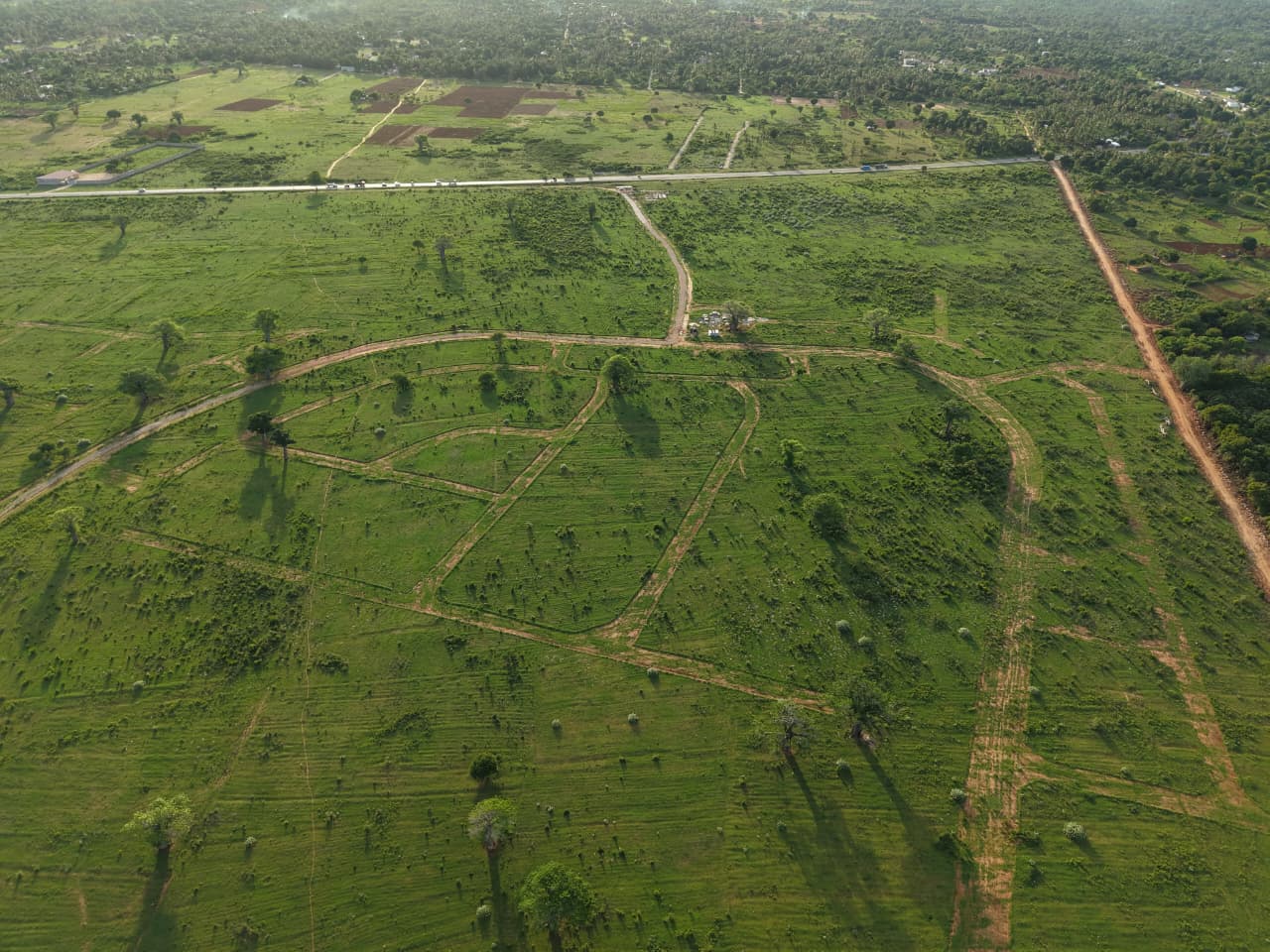
Are you buying land or are you buying a future market?
Land banking in Kenya works when you purchase undeveloped acreage in the direct path of verified infrastructure growth. But sitting on illiquid plots without a clear development strategy drains capital through holding costs and inflation.
For your information, successful land banking requires moving beyond simple speculation by evaluating location fundamentals, holding expenses, and urban expansion patterns to align your portfolio with genuine market demand.
What Is Land Banking in Kenya and How Does Speculative Buying Work?

Land banking in Kenya entails purchasing undeveloped land at current market rates in anticipated growth corridors, holding it over a defined time horizon, and selling or developing it once municipal demand drives up its value.
The Mechanics of Buying Land for Speculation
Strategic land banking in Kenya relies on economic data rather than guesswork. Equipped with this data, investors acquire agricultural or peri-urban acreage on town edges ahead of population shifts.
Thus, buying land for speculation requires analyzing official spatial maps to target areas slated for commercial expansion, guaranteeing that your holding aligns with long-term urban growth.
Where Land Banking Works vs. Where It Fails
Land banking in Kenya thrives in secondary satellite towns with verified bypass roads or industrial parks. However, it fails when you mistake cheap, unreachable land for an investment opportunity:
Thriving Corridors: These are parcels positioned along planned transport links, near university hubs, or near municipal utility extensions, which attract early developer interest and drive up land banking in Kenya.
Stagnant Plots: This is remote acreage lacking water, power, or road access, which traps your capital and keeps your plot completely detached from future commercial utility.
Paying taxes on a plot that generates zero monthly cash flow silently erodes your investment returns year after year.
What Are the Real Holding Costs and Risks of Holding Land in Kenya?

Holding land in Kenya incurs ongoing expenses, including land rates, rent, fencing, security, and legal maintenance, while exposing your capital to illiquidity and infrastructure delays.
Ongoing Holding Costs and Illiquidity Constraints
Land is an illiquid asset. Thus, selling raw land quickly during a cash crunch requires taking a steep price discount.
Recurring costs like annual county land rates, boundary survey verifications, fencing to deter squatters, and titling updates accumulate over time. Also, evolving county planning standards mean municipal zoning shifts happen, directly impacting your holding timelines and overall profitability.
Navigating Infrastructure Risk and Urban Master Plans
Land values in connected satellite towns appreciate by up to 18% annually, whereas remote areas lacking road infrastructure stagnate at or below inflation rates.
Remember, buying land for speculation without verifying government bypass road blueprints exposes your capital to the risk of stalled public utility projects. And checking spatial plans ensures your plot remains relevant to market demand.
Protecting Your Title from Encroachment and Fraud
Unmonitored speculative plots account for over 40% of boundary disputes and illegal encroachment claims in peri-urban counties.
For your information, protecting your plot requires regular physical inspections, beacon re-establishment, and community engagement. And securing clean, unencumbered titles is vital because modern master-planned developments depend on verified documentation.
What Is the Ideal Time Horizon and Exit Strategy for Land Banking in Kenya?
An effective land banking strategy requires a 5- to 10-year holding time horizon combined with a predefined exit strategy, such as outright resale to developers, joint-venture residential construction, or site subdivision.
Defining Your Investment Timeline
Short-term flipping fails because land banking in Kenya is a long-term strategy.
Thus, matching your personal capital timeline with municipal expansion cycles prevents premature, panic-driven sales. Also, patient capital allows you to ride out market shifts, ensuring that buying land for speculation yields high returns as infrastructure unfolds.
Structuring Your Property Exit Strategy
Executing land banking in Kenya requires choosing a clear exit strategy long before issuing a purchase deposit:
Subdivision: Cutting large acreage into 50x100 residential plots for fast retail sales to individual homebuilders.
Joint-Venture Development: Partnering with commercial builders to construct multi-family housing in line with growing population demands.
Commercial Sale: Selling intact acreage directly to institutional buyers or industrial logistics firms, driving regional expansion.v
Master Growth Corridors: Secure Your Land Investment with Verifiable Intelligence
Buying land in Kenya requires you to understand what you are buying, know what you are risking, and have the information needed to make a sound decision.
Land banking in Kenya works when you base your strategy on verified infrastructure growth and economic data rather than guesswork.
Looking to bank on land in Kenya?
At Pamoja Greenfield Estates, we are eager to help you navigate the journey with greater confidence.
Call us today at 0759 461 111 or 0746 936 019, or email us at [email protected], and we will readily conduct deep corridor evaluations, verify official spatial planning blueprints, and secure prime growth parcels tailored for long-term value creation.
Which emerging infrastructure corridor in Kenya do you consider the most promising for strategic land banking over the next decade? Share your thoughts and predictions in the comments section below!