Infrastructure Impact on Land Value: How Transport and Utilities Drive Property Appreciation
Author: 365 Media Investment Desk
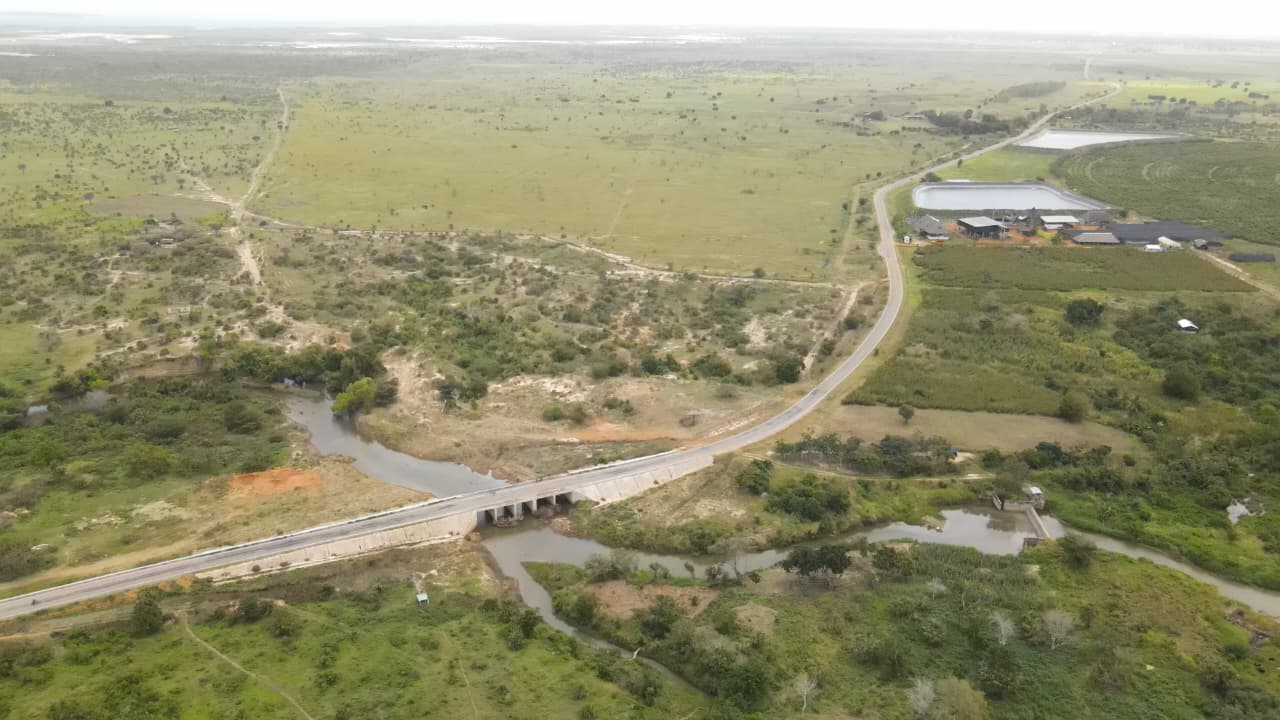
What makes one piece of land surge in value by 300% in three years while a similar plot just ten kilometers away barely moves in price?
Infrastructure projects, such as dual-carriageway bypasses, standard-gauge railway hubs, power grid connections, and water pipeline networks, directly drive land value by reducing transit times, increasing commercial utility, and unlocking dense urban development.
When you understand how major public transit and utility corridors reshape regional demand, you can easily spot genuine property appreciation drivers to position your capital safely alongside verifiable growth corridors.
How Does Major Infrastructure Impact Land Value Across Kenyan Real Estate Corridors?

Major transport and industrial infrastructure increases nearby land value by accelerating accessibility, driving commercial zoning changes, and attracting high-density residential developments.
Transport Corridors, Highways, and Bypass Effects
Tarmac access roads, bypasses, and highway interchanges convert agricultural acreage into high-yield commercial or residential plots.
For instance, the transformation seen along the Eastern Bypass, the Dongo Kundu Special Economic Zone, and the Kenol-Sagana dual carriageway illustrates how new transport links trigger immediate value spikes.
Selecting land near major transport projects positions your portfolio to benefit directly from long-term property appreciation drivers.
Utilities, Water Connections, and Industrial Anchors
Access to three-phase grid power, municipal water trunk lines, and sewer connections elevates raw land into immediate development-ready status. Also, industrial parks, universities, and regional hospitals act as economic anchors that sustain long-term rental demand and drive the infrastructure impact on land value.
Thus, securing serviced plots ensures your asset remains adaptable to future development requirements.
Tracking Property Appreciation Drivers in Developing Nodes
Satellite towns connected by major highway expansions experience land price gains averaging up to 18% annually, compared to under 4% in non-serviced rural zones.
Undeniably, accessibility remains the primary catalyst for sustainable property appreciation. And investing in connected corridors guarantees long-term equity growth as you track the impact of infrastructure on land value.
Remember, buying cheap land next to a proposed highway project without verifying gazetted road reserve boundaries wipes out your savings the moment government bulldozers arrive.
What Structural and Planning Risks Must Buyers Check Near Infrastructure Projects?
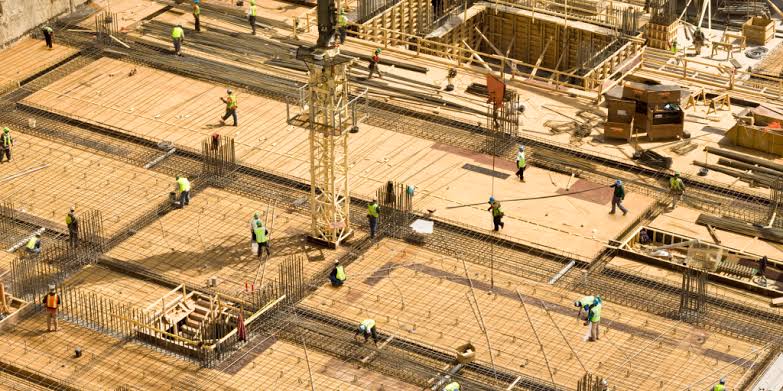
Investing near proposed infrastructure corridors carries a high risk of compulsory land acquisition, wayleave encroachment and demolition, unverified speculative price bubbles, and severe delays in utility delivery.
Road Reserve Encroachment and Compulsory Acquisition
Purchasing land within the Kenya National Highways Authority (KeNHA) or the Kenya Rural Roads Authority (KeRRA) wayleaves leads to title revocation without compensation.
Advisably, check survey maps and mutation forms against national transport master plans before signing contracts.
Avoiding road reserves to protect your equity and keep your project safe from state-led clearance.
Speculative Pricing Bubbles vs. Real Commercial Utility
Paying inflated "future value" prices for unpaved, speculative plots where promised roads exist only in political announcements traps your capital in illiquid assets. However, evaluating current access and realistic delivery schedules prevents overpaying for land that takes decades to appreciate.
Focus on the current impact of infrastructure on land value to keep your cash flow secure.
Construction Standards and County Planning Alignment
Over 30% of unplanned structural projects constructed before official utility linkages incur heavy penalties or delayed occupation permits due to non-compliance with drainage and access corridor regulations.
Thus, adapting site layouts to official planning trends protects long-term structural viability. To avoid municipal shutdowns while securing your capital, obey statutory laws.
How Do You Verify Infrastructure Plans Before Purchasing Land in Kenya?
You verify infrastructure plans by conducting official Ministry of Lands searches, auditing county spatial planning maps, hiring an independent surveyor to mark wayleaves, and inspecting site access in person.
Practical Infrastructure Due Diligence Checklist
Execute these core steps to base your property acquisitions on verified physical and legal evidence rather than seller promises:
Perform an official title search on the Ministry of Lands registry or ArdhiSasa portal.
Hire an independent surveyor to confirm the location of boundary beacons relative to gazetted road reserves.
Check County Integrated Development Plans (CIDP) to verify approved utility expansion routes.
Test site soil, drainage capacity, and topography to budget for site setup expenses.
Audit local zoning trends to confirm your project supports intended commercial or residential uses.
Capitalize on Growth Corridors: Secure Your Land Investment with Legal Clarity
A land purchase entails more than finding a piece of property. It involves understanding what you are buying, knowing what you are risking, and having the information needed to make a sound decision.
Infrastructure expansion increases land values by improving physical accessibility, expanding commercial utility, and unlocking municipal zoning upgrades.
Looking to buy land in a well-serviced area?
Pamoja Greenfield Estates is best-equipped to help you navigate the journey with greater confidence.
Call us today at 0759 461 111 or 0746 936 019, or email us at [email protected], to help you conduct land registry audits, verify road reserve wayleaves, and secure prime parcels situated along verified growth corridors.
Which upcoming infrastructure project in Kenya do you expect will create the highest land value appreciation over the next three years? Share your thoughts and predictions in the comments section below!