
How Much Land Do You Actually Need to Build Wealth in Kenya? Finding Your Profitable Land Size
Author: 365 Media Investment Desk
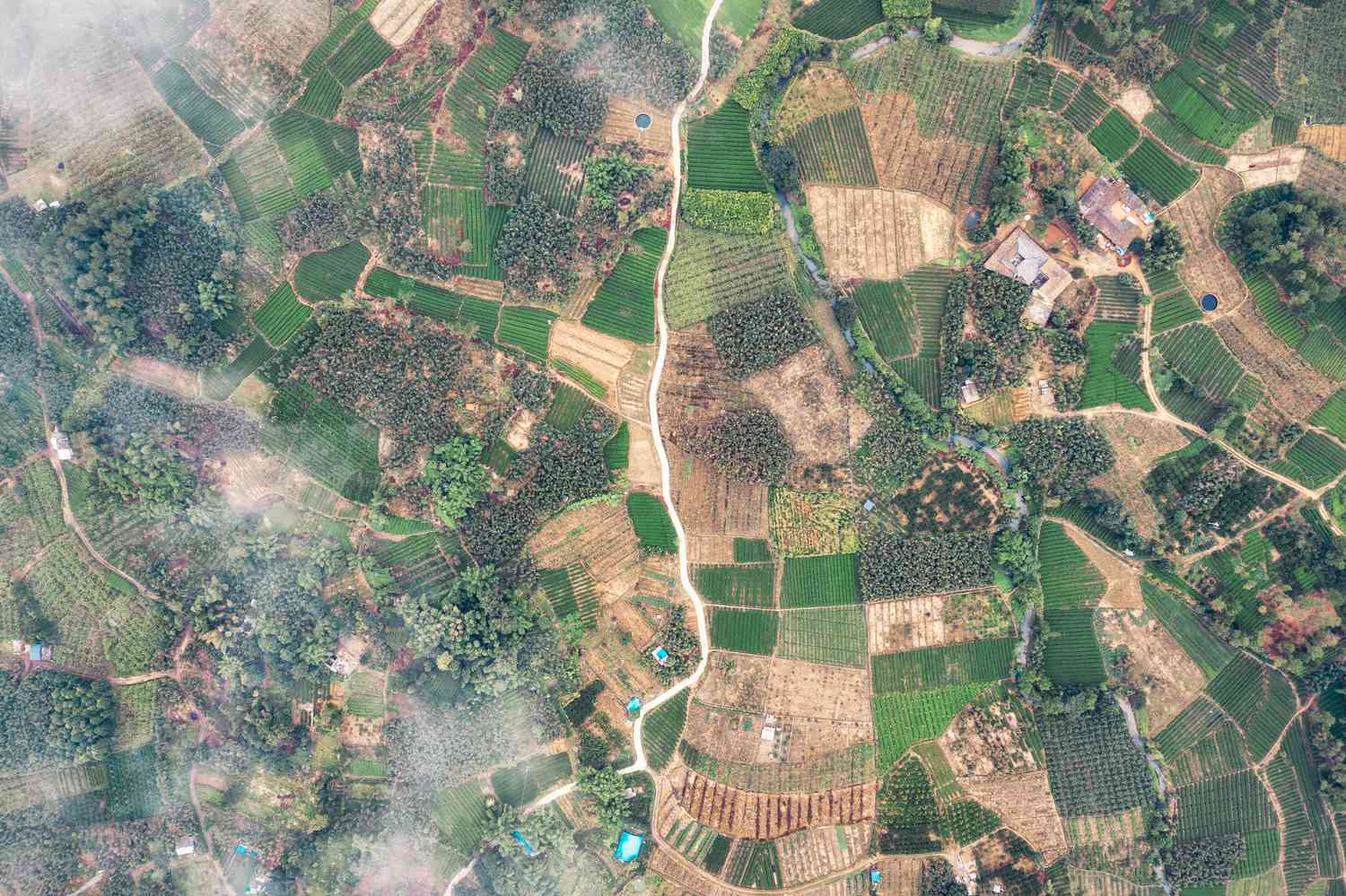
Why do so many land buyers in Kenya tie up millions of shillings in vast, unserviced acreage that yields zero income when a single urban plot could generate immediate, recurring wealth?
Effective land wealth building depends on land utility, strategic location, and development yield. Not sheer geographical size.
Hands down, matching your financial strategy to a profitable land size protects your capital from heavy holding costs while positioning your portfolio for maximum capital growth.
How Does Land Size Determine Your Investment Returns in Kenya?
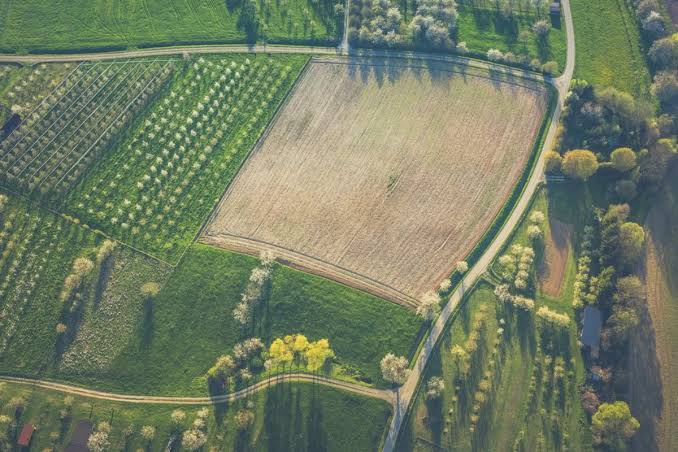
The size of your parcel determines your capital requirements, holding costs, development timeline, and exit strategy.
The 50 × 100 Plot and 1-Acre Parcel: High-Density Residential and Commercial Nodes
A 50 × 100 plot in satellite urban corridors accommodates multi-family residential units or commercial shops, serving as a prime foundation for land wealth building. Meanwhile, 1-acre parcels serve as ideal footholds for gated residential clusters or light commercial developments.
Thus, selecting a profitable land size ensures your capital remains active rather than trapped in unserviced dirt.
5 Acres to 50 Acres: Commercial Farming, Warehousing, and Estate Subdivision
Parcels ranging from 5 to 50 acres unlock large-scale agricultural production, industrial logistics parks, or master-planned housing schemes. For this reason, developing medium-to-large parcels requires managing significant holding costs, infrastructure demands, and county approval processes.
Aligning these larger acquisitions with active commercial corridors accelerates your development timelines.
Remarkably, commercial real estate and serviced land developments along primary infrastructure corridors achieve an average annual value appreciation rate of 10.4%, far outperforming passive holdings in remote, unserviced secondary markets.
500 Acres and Above: Strategic Land Banking and Infrastructure Growth
Mega-acreage holdings demand institutional capital and multi-decade investment horizons to unlock substantial returns. And large land tracts require massive infrastructure capital before subdivision or commercial deployment can occur.
Thus, holding fifty acres of unserviced dirt because a seller promised guaranteed growth locks your cash into an illiquid asset while inflation eats your purchasing power.
To illustrate the value of mega-acreage holdings, land values in serviced satellite towns such as Ruiru and Limuru have surged by more than 300% in the past decade. This trend demonstrates that high-density, well-located plots deliver far greater capital appreciation than remote agricultural acreage.
How Do Location and Utility Reshape Real Land Value?

Strategic infrastructure access, road frontage, and localized utility connections drive land appreciation by creating immediate tenant occupancy and high resale demand.
Infrastructure Access and High-Yield Utility Footprints
Extending private access roads, three-phase power lines, and water main drops across unserviced acreage introduces high site-servicing costs. However, high-utility plots situated along completed transport bypasses eliminate these initial infrastructure costs, allowing developers to begin construction immediately.
Thus, high-yield infrastructure transforms small urban footprints into high-value revenue drivers.
Zoning Compliance and Operational Efficiency
Checking county master plans ensures that your land use aligns with local zoning restrictions. Also, obtaining proper municipal approvals, environmental impact clearances, and county building permits protects your development from costly administrative shutdown orders and retroactive regularization fees.
Verify legal zoning limits to safeguard your equity and maintain long-term asset liquidity.
How Do You Select the Most Profitable Land Size for Your Money?
You select the ideal parcel size by auditing your investment timeline, checking local infrastructure plans, verifying the title deed's authenticity, and calculating the total cost of development.
A Practical Four-Step Evaluation Framework
Apply this due diligence framework before transferring funds to ensure a successful land wealth-building strategy:
Audit Registry Records: Conduct an official title search at the Ministry of Lands and verify digital registry files on ArdhiSasa.
Verify Physical Boundaries: Hire a licensed independent surveyor to confirm physical mutation maps, boundary beacons, and legal road access.
Select Suitable Parcel Sizes: Choose a profitable land size that matches your immediate capital capacity, risk profile, and cash-flow targets.
Verify Local Zoning Regulations: Check county spatial plans to ensure your intended residential, commercial, or agricultural development is fully compliant.
Avoid Low-Yield Traps and Safely Secure Profitable Land
Building real wealth through real estate depends on strategic land utility, verified ownership, and development yield rather than holding massive, unproductive acreage.
And to build sustainable real estate wealth, you must prioritize long-term utility over raw acreage size.
Will your next property acquisition generate immediate, recurring returns, or will your capital remain trapped in unserviced dirt?
Maximizing land wealth building demands rigorous due diligence, independent survey checks, and clear zoning verification.
At Pamoja Greenfield Estates, we can readily verify title deeds on ArdhiSasa, audit infrastructure access, and connect you directly with verified, high-yield land holdings across Kenya.
Call us today at 0759 461 111 or 0746 936 019, or email us at [email protected] to evaluate your property options and acquire verified land safely.
Are you currently leaning toward high-density urban plots or larger land-banking acreage for your portfolio? Share your perspective in the comments section below!