
Cheap Land vs. Valuable Land: Why the Cheapest Acre Is Often Not the Best Investment
Author: 365 Media Investment Desk
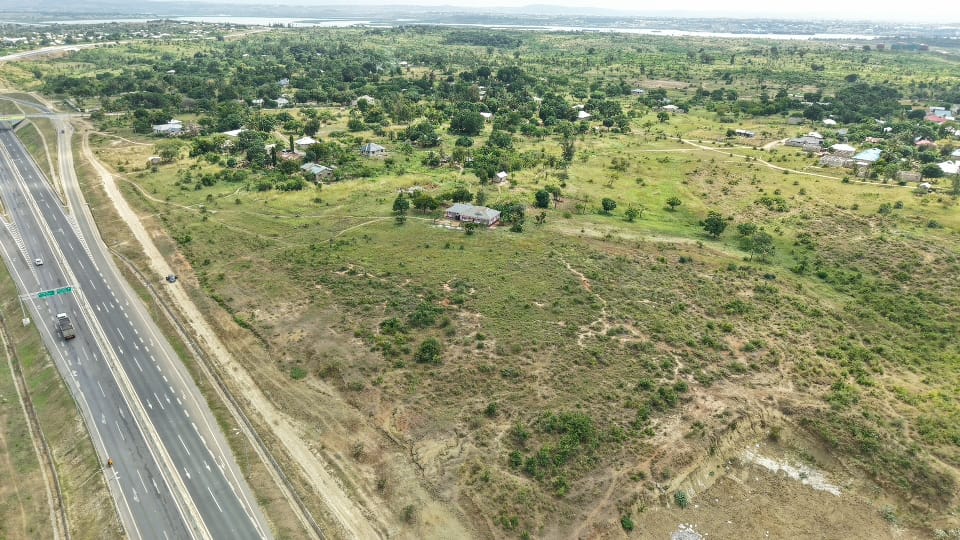
Is the cheapest plot you can find in Kenya really the best investment – or is the low price telling you something you have not discovered yet?
Truthfully, a KES 500,000 parcel in an unserviced hinterland often destroys capital, whereas a KES 5,000,000 plot in an active development corridor yields immediate wealth. Real land investment value depends on access roads, utility grid connections, zoning laws, and tenant demand. Not price per acre.
Thus, evaluating land investments requires looking past initial purchase price discounts to analyze long-term utility, infrastructure access, and market liquidity.
Why Is a Cheap Plot Often an Expensive Real Estate Trap?
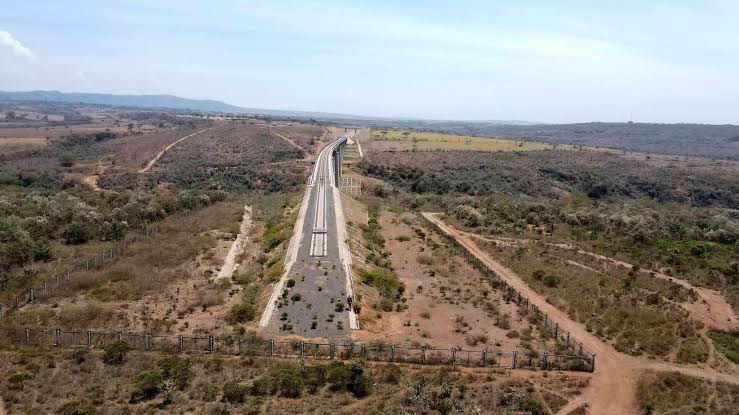
A cheap plot is often an expensive real estate trap because unserviced land lacks access roads, power lines, and water connections, requiring millions of shillings in infrastructure capital before development can occur.
Hidden Servicing Costs, Road Access, and Utility Proximity
Calculate total site-servicing costs before making a down payment on low-cost acreage:
Utility Grid Extensions: Extending high-voltage electricity lines and drilling deep boreholes erases initial purchase discounts.
Road Construction Expenses: Grading private access roads through unserviced hinterlands introduces heavy wayleave compensations and drainage approval fees.
Zoning and Bylaw Traps: Unserviced agricultural land restricted from conversion to commercial or residential use locks capital into low-yield assets.
Resell and Liquidity Deficits: Remote parcels lack active buyer markets, keeping your money trapped when you need an immediate exit.
Market Liquidity and Exit Strategy Realities
Comparing cheap land vs valuable land reveals vast differences in resell speed. High-value plots near commercial nodes sell within weeks, while remote plots lack active buyer markets when you need to liquidate.
Buying cheap land without verified road frontage traps your money in an illiquid asset for decades.
Remarkably, land in satellite towns like Ruiru and Ngong has grown over 300% in value over the past decade and 4.5% in 2026 due to infrastructure expansion, far outperforming unserviced, remote agricultural land.
How Do Infrastructure and Demand Drive Long-Term Land Value?
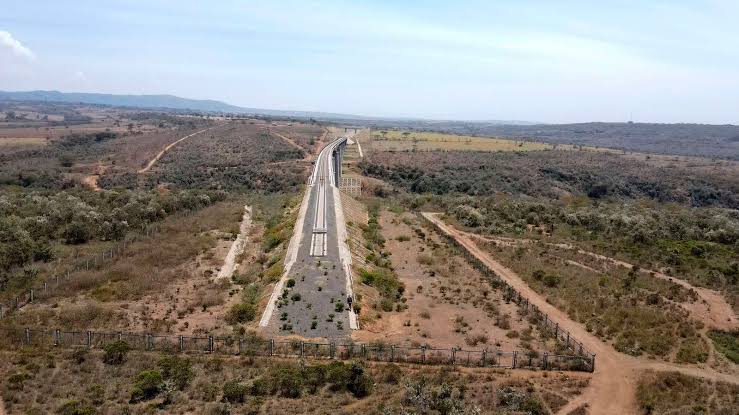
Infrastructure expansion, population growth, and commercial activity drive long-term land value by creating high tenant demand, accelerating rental yields, and ensuring rapid capital appreciation.
Transport Corridors, Urban Expansion, and Population Density
Bypass expansions and dual-carriageway projects rapidly convert rural acreage into high-density residential nodes. In addition, infrastructure drops transform raw land into high-yield commercial assets, maximizing overall land investment value.
Analyzing local school enrollments, retail centers, and hospital developments reveals genuine housing demand.
Commercial Utility, Population Growth, and Rental Yields
High-value land yields steady cash flow through immediate residential or commercial development.
For instance, in 2023, serviced land in Nairobi’s satellite towns recorded an average year-on-year capital appreciation of 8.5%, supported by an 11-year compound annual growth rate of 12.5%. This growth is primarily driven by infrastructure improvements, such as new highways and bypasses, which increase demand in peripheral areas.
Evaluating cheap land vs valuable land ensures you select parcels with guaranteed buyer pools and high long-term returns.
How Do You Choose the Right Parcel to Build Sustainable Wealth?
You choose the right land parcel to build sustainable wealth by auditing physical utilities, verifying legal registry records, checking county zoning master plans, and calculating total site development costs.
A Practical Four-Step Evaluation Framework
Follow this due diligence checklist sequentially before signing a land purchase contract:
Audit Site Infrastructure: Measure exact distances to water mains, electrical grids, and gazette road frontage.
Verify Registry Records: Conduct official searches on ArdhiSasa and at local county registries to confirm clean title deeds.
Inspect County Spatial Plans: Review county zoning bylaws to confirm planned development aligns with local land-use restrictions.
Calculate True Servicing Costs: Compare total servicing costs to market resale values to measure the real land investment value before making a deposit.
Avoid Low-Price Traps and Secure High-Yield Land in Kenya
Securing high-yield land requires looking beyond low price tags to measure real infrastructure servicing costs, verify zoning laws, and align purchases with active growth corridors.
And building sustainable real estate wealth requires evaluating long-term utility rather than chasing low purchase prices.
Will your low-cost plot become a hidden money pit that traps your capital for decades, or will you invest in a fully serviced parcel with guaranteed appreciation potential?
Remember, maximizing land investment value demands thorough due diligence, professional site audits, and strategic market positioning.
At Pamoja Greenfield Estates, we can readily verify title deed records on ArdhiSasa, audit site infrastructure, and connect you directly with high-yield landholdings across Kenya.
Call us today at 0759 461 111 or 0746 936 019, or email us at [email protected] to evaluate your property options and acquire verified land safely.
Would you rather buy a smaller, fully serviced plot in an active corridor or a larger acreage in an unserviced area? Share your investment strategy in the comments section below!