Buying Agricultural Land as an Investment: Acreage Alone Doesn't Make a Farm Valuable
Author: 365 Media Investment Desk
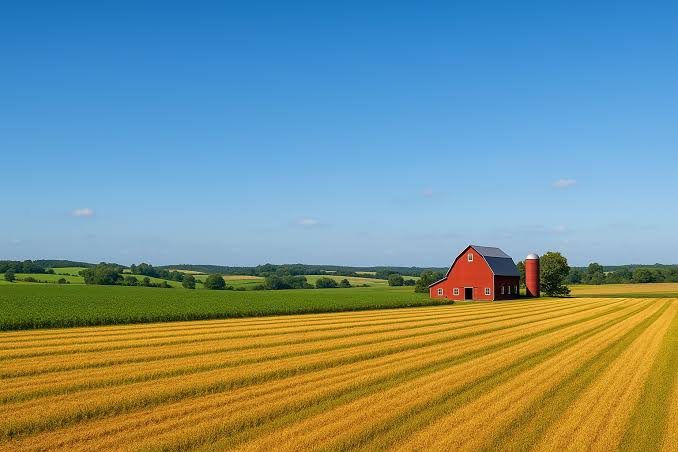
Would you rather own 1,000 acres of dry, idle land that drains your bank account or 100 acres of fertile farmland producing constant cash flow?
A successful agricultural land investment depends on production potential and site infrastructure rather than raw acreage.
For this reason, evaluating soil quality, reliable water access, road connectivity, and local market demand protects your capital and aligns your portfolio directly with genuine economic returns.
What Key Factors Determine a Profitable Agricultural Land Investment?
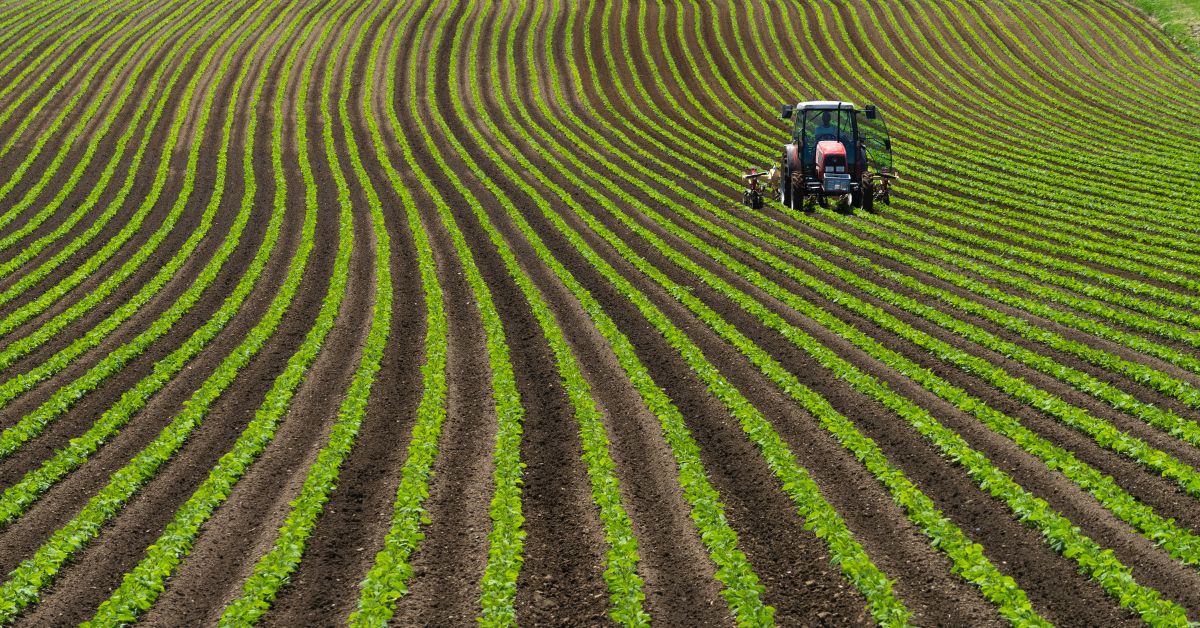
Profitable farmland factors include fertile soil chemistry, year-round water supply, favorable local microclimates, motorable access roads, nearby offtake markets, existing crop yields, reliable regional labor, secure storage facilities, processing hubs, and sound farm infrastructure.
The 10-Point Farmland Evaluation Framework
Selecting high-performing acreage requires auditing these key profitable farmland factors:
Soil Quality: Testing soil pH levels, topsoil depth, natural drainage capability, and organic matter content.
Water Security: Securing year-round river access, high-yield boreholes, or reliable seasonal rainfall patterns for your agricultural land investment.
Microclimate: Verifying consistent local temperatures, altitude suitability, and low frost risk for target crops.
Road Infrastructure: Checking all-weather feeder roads connecting the farm directly to major highways.
Market Access: Assessing proximity to urban distribution hubs, wholesale markets, and food processors.
Existing Crops: Analyzing the proven yield history of standing perennial or annual crops.
Labor Availability: Confirming access to skilled and unskilled local agricultural labor.
Storage Options: Evaluating on-site or nearby cold storage and dry grain silos.
Processing Facilities: Locating nearby pack houses, commercial millers, or value-addition factories.
Farm Infrastructure: Inspecting perimeter fencing, irrigation piping, staff quarters, and power grid connections to support your agricultural land investment.
Farmland Upgrades and Operational Yields
Modern high-yield farming relies on physical structures like climate-controlled greenhouses, pack houses, and solar-powered irrigation networks.
Deploying modern agricultural technology drives commercial activity across rural zones, transforming raw fields into productive industrial nodes. And building robust farm infrastructure strengthens your operational capacity while supporting your long-term wealth strategy.
Remember, produce rotting in a muddy truck three miles from the tarmac costs you more money than poor weather ever will.
How Do Infrastructure and Access Impact Farmland Value in Kenya?
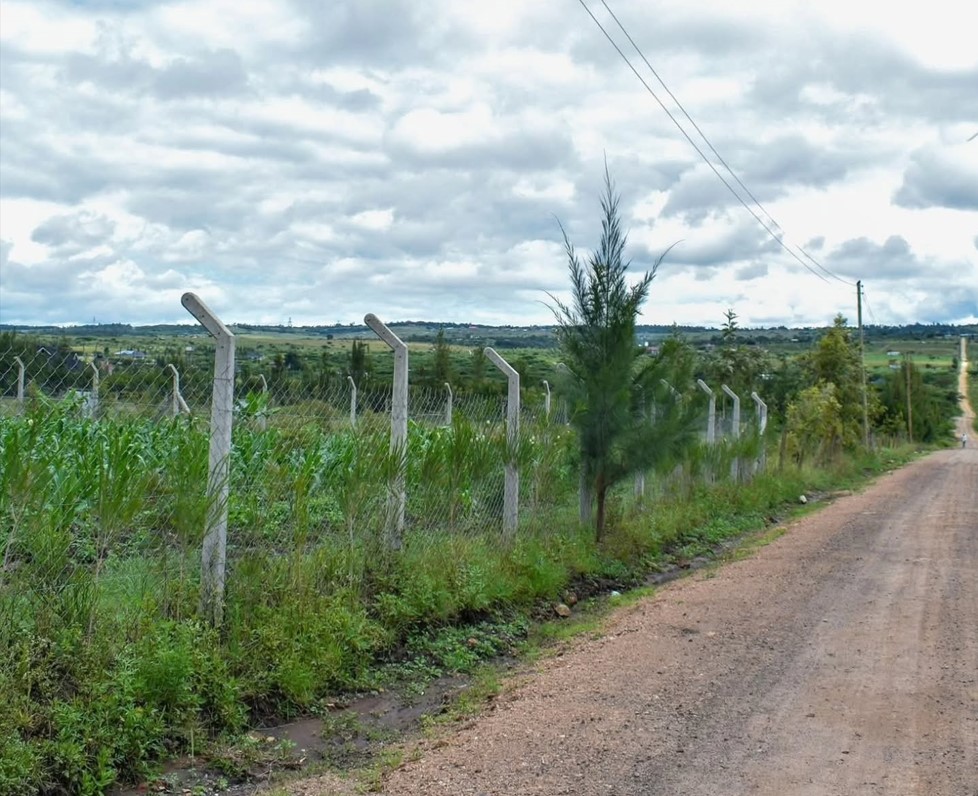
Infrastructure and transport access determine your final profit margin by controlling how quickly, cheaply, and safely your harvest reaches paying customers before spoiling.
Evaluating Transport Corridors and Storage
Post-harvest losses reach up to 40% for fresh produce in Kenya due to poor feeder roads and a lack of cold storage.
Inspecting all-weather bridges, drainage culverts, and county road maintenance schedules prevents transport bottlenecks. Also, upgrading rural access roads directly unlocks hidden farm value while driving profitable farmland factors.
Physical Site Due Diligence and Utilities
Irrigated farmland in Kenya yields 2.5 to 4 times higher financial returns per acre compared to purely rain-fed tracts.
Physical site audits require testing water salinity, which makes them vital for verifying power grid drop points and confirming legal access easements on mutation forms.
So, when you secure serviced land, your agricultural land investment remains commercially viable.
What Common Mistakes Do Buyers Make When Purchasing Agricultural Land?
Buyers make costly mistakes by purchasing vast tracts without testing soil toxicity, ignoring seasonal water scarcity, and failing to verify clean title deeds at the land registry.
Critical Pitfalls in Farmland Transactions
Avoid these major errors when evaluating an agricultural land investment:
Buying Big over Buying Fertile: Choosing 500 dry, remote acres over 50 rich, irrigated acres positioned near off-take markets.
Skipping Soil and Water Tests: Assuming green grass equals fertile soil without checking for high salinity, acidity, or poor subsoil drainage.
Bypassing Legal Surveys: Assuming existing boundary fences mark true legal limits without hiring a registered surveyor to check mutation maps.
Ignoring Local Zoning Restrictions: Overlooking county agricultural land-use policies, leaving your farm isolated from expanding utility networks.
Maximize Agricultural Yields: Secure Your Farmland Investment with Proven Expertise
Evaluating soil chemistry, verifying year-round water rights, and confirming legal access pathways ensures your farm delivers consistent cash flow before you lay down capital.
Will your next agricultural acquisition yield high annual returns through verified water security and transport access, or will remote, unserviced acreage tie up your capital indefinitely?
At Pamoja Greenfield Estates, we excel at conducting registry searches, verifying road reserve access, and securing high-yield farmland tailored for long-term production.
Call us today at 0759 461 111 or 0746 936 019, or email us at [email protected] to execute your farmland purchase with total clarity and safety.
Which crop or agricultural venture do you believe offers the strongest investment yield in Kenya today? Share your thoughts and questions in the comments section below!